Luckiest Teacher Ever SVG Design Review
As a designer who spends more time hooped up at the machine than away from it, I approach every new digital embroidery file with a mix of excitement and skepticism. We have all been there: you download a cute graphic, load it into your software, and realize too late that the details are too fine for satin stitch or the spacing is wrong for a standard hoop. That is why I took a close look at the Luckiest Teacher Ever SVG Design before committing it to a client project. This isn't just about whether the image looks good on a screen; it is about how it translates into thread, fabric, and a finished product that a teacher will actually want to wear or display.
First Impressions and Visual Personality
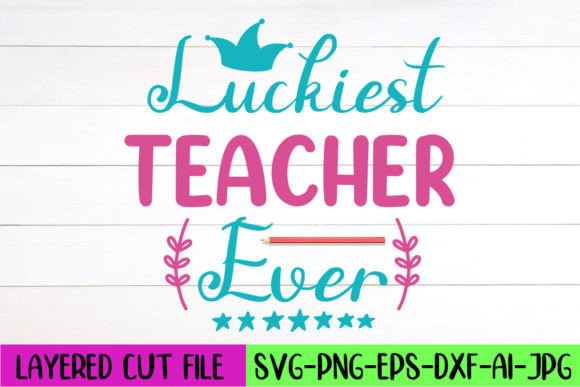
When I first opened the files included in this package, the immediate takeaway was versatility. The description notes that you receive six types of files: SVG, PNG, EPS, AI, JPG, and DXF. For an embroiderer, the SVG and DXF are the workhorses here, allowing us to import the vector paths directly into our digitizing software or cutting machines like Cricut and Silhouette. The design itself carries a warm, appreciative mood. It feels celebratory without being overly childish, which is a delicate balance to strike in the education niche. The layout appears clean, suggesting that the shapes are well-defined. In the world of Crafts and Graphics, clean lines usually translate to fewer jump stitches and a smoother run on the machine, provided the digitizing matches the vector quality.
Real-World Application: The End-of-Year Gift Rush
To truly test the viability of this design, I imagined a common scenario many of us face every May: the rush to create personalized end-of-year gifts for a local elementary school staff. I pictured using the Luckiest Teacher Ever SVG Design on a heavy-weight canvas tote bag. Tote bags are a staple for teachers, used for carrying papers, books, and supplies.
In this scenario, the design's bold sentiment works perfectly. A teacher receiving a bag with this message feels recognized. However, the execution matters. If I were stitching this onto a natural cotton canvas, I would need to ensure the thread colors pop against the background. The design's structure seems conducive to a combination of fill stitches for larger areas and perhaps satin stitch for outlines or text, depending on how you choose to digitize the imported SVG. The layered nature of the SVG file mentioned in the product details is a significant advantage here. It allows me to separate elements easily in my software, giving me control over the stitch order and ensuring that underlay stitches are sufficient for the textured fabric of a tote.
Apparel and Custom Merchandise Potential
Beyond tote bags, this design has strong potential for custom apparel. Imagine a cozy sweatshirt embroidery project for a "Teacher Appreciation Week" boutique drop. The phrase "Luckiest Teacher Ever" is short enough to fit comfortably across the chest of a adult-sized hoodie without looking cramped. For an Etsy seller or small shop owner, this kind of design is gold because it appeals to a specific emotional niche. Parents love buying these items, and teachers love wearing them.
I also see this working well as an embroidered patch. By digitizing the SVG with a merrowed edge border, you could create iron-on patches that teachers can attach to lanyards, backpacks, or denim jackets. This extends the life of the design beyond a single garment. For those running a craft business, offering this as a add-on service to a larger order increases the average transaction value significantly.
Technical Considerations and Fabric Challenges
While the design shows promise, practical embroidery requires us to be realistic about limitations. One area to watch closely is the scale. If you plan to use this on smaller items, such as a baby onesie for a "future teacher" gift or a cap, you must verify the minimum stitchable size. Tiny details in the original vector might become muddy if reduced too far, especially if the design relies on thin running stitches or tight satin columns.
Fabric texture plays a massive role here. On a smooth polyester blend, almost any stitch type will look crisp. However, on textured fabrics like Terry cloth towels or waffle-weave aprons, the stitch density needs to be adjusted. If the Luckiest Teacher Ever SVG Design is digitized with high density, it might cause puckering on stretchy fabrics like jersey knits. My advice is to always test the design on a scrap piece of the actual fabric you intend to use. Check your stabilizer choice; for stretchy sweatshirts, a cut-away stabilizer is non-negotiable to prevent distortion after washing.
Curved surfaces, like baseball caps, present another challenge. The center of the cap is narrow, so the width of the design must be confirmed before hooping. If the design is too wide, it will wrap around the curve awkwardly, distorting the letters. Since the product includes an EPS and AI file, you have the flexibility to resize and adjust the aspect ratio slightly in Illustrator before finalizing your stitch file, ensuring it fits the curvature of a hat perfectly.
Enhancing Value and Professionalism
The true value of a design like this lies in its ability to elevate the perceived quality of your handmade product. A well-executed embroidery project builds customer trust. When a buyer sees clean edges, proper tension, and a design that sits flat on the fabric, they associate that quality with your brand. This design, with its clear message and likely straightforward geometry, supports that professionalism. It avoids the trap of being too busy, which often leads to thread breaks and frustration.
For digital product sellers, having access to the source files (AI, EPS, SVG) means you can create high-quality printable mockups for your online listings. You can show customers exactly how the design looks on a dark navy shirt versus a light heather grey, helping them visualize the finished product before they buy. This visual clarity drives buyer engagement and reduces return rates.
Final Verdict and Designer Notes
The Luckiest Teacher Ever SVG Design stands out as a practical asset for anyone in the education gifting market. Its strength lies in its adaptability across various mediums, from tote bag designs to sweatshirt embroidery. However, success depends on the preparatory work. Before launching into a production run, I recommend the following steps:
- Test on Scrap: Always stitch a sample on the exact fabric weight you plan to sell.
- Check Contrast: Ensure your thread colors provide enough contrast against the fabric, especially for dark garments.
- Review Density: If you are digitizing the SVG yourself, pay attention to stitch density to avoid stiffness.
- Verify Licensing: Although the files are provided for use, always confirm the specific license terms regarding commercial sales of finished physical goods versus digital redistribution.
- Hoop Size Confirmation: Measure the design dimensions against your available hoop sizes, particularly if working with caps or small accessories.
In conclusion, this design offers a solid foundation for creating meaningful, high-quality items. It bridges the gap between a simple graphic and a tangible expression of gratitude. With careful attention to fabric choice and stitch settings, the Luckiest Teacher Ever SVG Design can be a reliable component in your library of commercial embroidery assets, helping you deliver products that bring genuine joy to educators.