Review: 2nd Grade Teacher Vibes SVG for Embroidery
As a designer who spends more time staring at stitch simulations than most people care to admit, I approach every new digital embroidery file with a mix of optimism and skepticism. When I first pulled up the 2nd Grade Teacher Vibes SVG Png Design, my immediate reaction wasn't just about whether it was "cute"—it was about whether it would translate well from a screen to a textured fabric without losing its personality. In the world of Crafts and Graphics, there is often a disconnect between a crisp vector line and the reality of thread tension. This review breaks down how this specific design holds up when you move from downloading the ZIP to hooping your stabilizer.
First Impressions: Mood and Layout
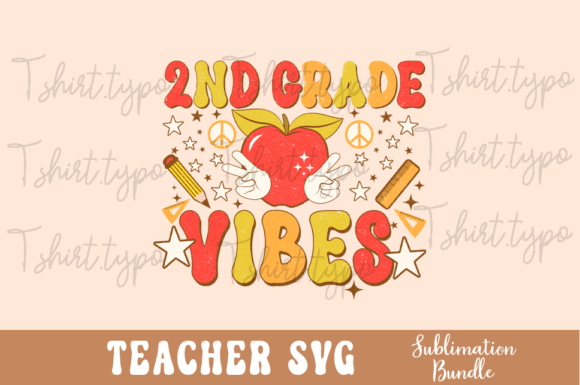
The moment you unzip the folder and inspect the files, the vibe is undeniable. The phrase "2nd Grade Teacher Vibes" carries a specific energy—it's playful yet professional, perfectly suited for the educators who bridge the gap between early childhood whimsy and structured learning. Visually, the layout feels balanced. For an embroidery project, spacing is everything. If letters are too close, they bridge; if they are too far apart, the design loses cohesion on smaller garments. This design appears to have enough breathing room between characters to allow for clean satin or fill stitches, depending on how you digitize it or if you are using it as an applique template.
The inclusion of both high-resolution PNGs (300 dpi) and SVG formats is a smart move by the creator. As an Etsy seller or small shop owner, having the SVG allows you to manipulate the size slightly or separate elements if your software permits, while the PNG is ready for sublimation or printing mockups. However, for those of us focused on stitching, the SVG is the gold standard. It gives us the clean paths needed to generate a reliable machine embroidery design. The visual personality suggests this belongs on items that celebrate identity—think tote bags carried to staff meetings or sweatshirts worn during the chaotic first week of school.
Real-World Application: The Custom Tote Scenario
To truly test the viability of this asset, I imagined a real-life scenario: creating a batch of custom welcome gifts for a local elementary school's second-grade team. The goal was a durable, washable tote bag design that teachers could use for carrying papers and supplies. Using the 2nd Grade Teacher Vibes SVG Png Design as the base, I visualized the stitching process on a heavy-weight canvas.
On a flat surface like a tote, the design shines. The typography likely requires a dense fill stitch to ensure opacity against the natural canvas color. Because the text is the hero here, the clarity of the edges is paramount. If you are outsourcing the digitizing or doing it yourself, pay close attention to the corners of the letters. Sharp angles in a font can sometimes pull inward if the stitch density isn't managed correctly. In this case, the "vibes" aesthetic usually implies a slightly rounded or casual font style, which is forgiving and excellent for embroidery. It reduces the risk of puckering compared to ultra-thin serif fonts.
For a handmade product intended for daily use, the durability factor is key. This design fits perfectly into the category of commercial embroidery assets because it speaks directly to a niche audience. A teacher receiving this bag feels seen. It's not a generic "Teacher" label; it specifies their grade, adding a layer of personalization that increases the perceived value of the finished product.
Navigating Fabric Challenges and Hoop Sizes
While the design works beautifully on a tote, moving it to other substrates requires caution. Let's talk about sweatshirt embroidery. Fleece and French terry have significant texture and stretch. If you attempt to stitch this design directly onto a thin or highly textured sweatshirt without proper stabilization, the text may sink into the pile, making the "Vibes" hard to read. In this scenario, I strongly recommend using a tear-away or cut-away stabilizer with higher GSM ratings. Alternatively, consider adapting the SVG into an applique design. Cutting the shape out of felt or twill and stitching it down creates a raised, tactile effect that stands out wonderfully against fuzzy fabrics.
Another consideration is the hoop size. While the source file is 12x12 inches, you rarely need to stitch it that large for apparel. Most home machines have 4x4 or 5x7 hoops. You will need to scale the design down. When shrinking text-based designs, watch out for the tiny details. If the design includes any decorative elements like stars, apples, or swirls alongside the text, ensure they don't become so small that the needle perforates the fabric excessively in one spot. For caps or curved surfaces, this design might be tricky unless the text is arched. Straight text on a curved cap brim can look distorted; always preview your design in 3D simulation software before committing to the stitch.
Color Theory and Thread Selection
The beauty of having the SVG and PNG files is the ability to experiment with thread colors before spending a dime on spools. For a "2nd Grade" theme, you might be tempted to go wild with primary colors. However, from a design professionalism standpoint, restraint often yields better results. Imagine stitching this in a monochromatic scheme—navy thread on a heather grey hoodie, or white thread on a navy tote. This elevates the item from a craft fair novelty to a boutique-quality piece.
If you are creating holiday embroidery gifts, perhaps for Christmas or End-of-Year presents, you can swap in seasonal palettes. Just remember to check the contrast. If the background fabric is dark, ensure your thread has enough brightness to pop. Conversely, on light fabrics, avoid threads that are too pale, or the definition of the letters will vanish. Testing the design in black and white mockups first is a pro tip that saves hours of frustration. If the design doesn't read clearly in grayscale, it won't read well in thread either.
Business Viability for Makers and Sellers
For the craft business owner, time is money. The fact that the 2nd Grade Teacher Vibes SVG Png Design comes compressed in a single ZIP with multiple formats streamlines the workflow. You aren't hunting for missing files. This efficiency allows you to focus on production rather than file management. Whether you are listing printable mockups for digital download or selling physical custom apparel, having versatile assets is crucial.
However, a word of caution regarding licensing: always verify the terms included in the ZIP file. Just because you can buy a graphic doesn't automatically mean you have unlimited rights to sell thousands of physical units or redistribute the digital file itself. For small shop products, ensuring you are compliant protects your brand reputation. Assuming the license permits commercial use for finished goods, this design is a strong contender for back-to-school collections. It targets a specific demographic (second-grade teachers) which often means less competition than generic "teacher" designs.
Final Verdict and Designer Notes
In conclusion, the 2nd Grade Teacher Vibes SVG Png Design is a solid addition to your library of design assets. It balances trendiness with functionality. Before you start your next embroidery project, keep these practical notes in mind:
- Test First: Always stitch a sample on scrap fabric of the same weight and texture as your final product.
- Check Density: If digitizing the SVG yourself, adjust the pull compensation to prevent distortion on stretchy fabrics.
- Stabilizer Matters: Don't skimp on stabilizer, especially for textured items like towels or sweatshirts.
- Scale Wisely: Ensure the text remains legible if resizing for smaller items like patches or baby clothes.
- License Check: Confirm the specific usage rights for commercial sales before listing items on Etsy or your website.
This design has the potential to create high-value personalized gifts that resonate emotionally with the recipient. With the right execution, it transforms from a simple graphic into a cherished piece of wearable art.