Reviewing Teaching is a Work of Heart for Real Embroidery Projects
As a designer who spends half my life tweaking stitch paths and the other half managing client expectations, I have learned that not every cute graphic translates well to thread. We often browse marketplaces looking for that perfect digital embroidery file, hoping it will be the cornerstone of our next best-selling handmade product. Recently, I evaluated the Teaching is a Work of Heart design to see if it holds up under the needle. This isn’t just about whether the lines look clean on a screen; it is about how the design behaves when stitched out on actual fabric, washed, worn, and sold.
First Impressions: Mood and Visual Personality
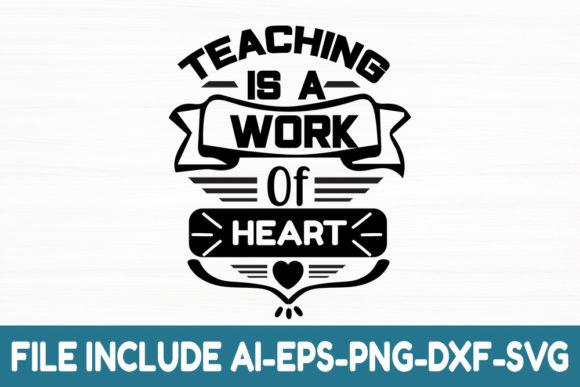
The phrase "Teaching is a work of heart" is a staple in the education community, but the execution matters immensely. When I first opened the files included in the zip package—specifically the SVG, PNG, EPS, and DXF formats—I was looking for clarity. For embroidery purposes, the SVG and DXF are your primary tools, while the PNG serves well for printable mockup creation or web previews.
The visual personality of this design leans toward warmth and appreciation. It avoids being overly childish, which is a common pitfall in teacher-themed graphics. Instead, it strikes a balance that feels professional yet affectionate. This makes it versatile. It does not scream "preschool only," allowing it to sit comfortably on a high school teacher’s tote or a kindergarten aide’s apron. The layout appears balanced, suggesting that the negative space has been considered, which is crucial when we translate these design assets into satin and fill stitches.
Real-World Application: From Screen to Stitch
To truly test the viability of this design, I imagined a specific real-life scenario: creating a custom gift for a retiring elementary school teacher. The goal was a high-quality tote bag design that could also double as a daily carry-all. In this context, the Teaching is a Work of Heart graphic needs to be legible from a distance but detailed enough to show craftsmanship up close.
When applied to a canvas tote, the design’s structure holds up well. The curves associated with the "heart" concept typically require careful digitizing to avoid puckering. If you are using this as a base for your own digitizing, pay close attention to the transition points. A poorly digitized curve here can lead to thread breaks or unsightly gaps. However, assuming a standard, well-digitized path, the result is a clean, crisp statement piece. It works equally well for sweatshirt embroidery, where the texture of the fleece can sometimes swallow small details. Because the message is the hero, ensuring the lettering is bold enough to stand out against the nap of the fabric is key.
Versatility Across Product Lines
Beyond totes and sweatshirts, this design has legs in several other categories. For custom apparel, such as polo shirts for staff appreciation week, the design scales down nicely if the font weight allows. For baby embroidery projects, like a onesie for a teacher’s new grandchild or a classroom mascot, the sentiment is sweet, though you must ensure the size is appropriate for the small hoop area. It also fits seamlessly into holiday embroidery collections, particularly for Valentine’s Day or end-of-year gifts, where themes of love and gratitude are paramount.
For Etsy sellers and small shop product creators, this graphic offers a reliable seller. It appeals to a broad demographic of educators, administrators, and support staff. By offering it on various items—perhaps an embroidered patch for a jacket or a set of kitchen towels—you diversify your inventory without needing entirely new designs. The key is consistency in presentation. Using the included PNG for your online listings ensures customers see exactly what the final finished product could look like.
Technical Considerations and Potential Pitfalls
While the design is strong, practical experience dictates caution in certain areas. Not every fabric behaves the same way, and not every hoop size is suitable. Here is where you need to apply your technical judgment.
- Hoop Size and Scaling: Always check the dimensions before stitching. If you scale the design down too much for a small hoop, such as a 4x4, the intricate parts of the heart or the thinner strokes of the letters may become indistinguishable blobs of thread. Test the minimum viable size on scrap fabric first.
- Fabric Texture: On textured fabrics like terry cloth or heavy denim, fine details get lost. This design works best on smooth to medium-texture materials like cotton twill, poplin, or stable knits. If you must stitch on textured material, consider increasing the stitch density slightly or using a contrasting underlay to boost visibility.
- Stabilizer Selection: The choice of stabilizer can make or break this project. For stretchy fabrics like jersey tees, a cut-away stabilizer is non-negotiable to prevent distortion over time. For woven totes, a tear-away might suffice, but always test for puckering. The phrase "work of heart" implies durability, so the stitching should remain flat and intact after washing.
- Thread Colors: Contrast is king. While red is the obvious choice for the heart element, ensure it contrasts sufficiently with the text color and the background fabric. On dark fabrics, use a lighter thread or add a white underlay to prevent the fabric color from showing through the stitches.
Enhancing Value and Customer Trust
Using a well-chosen design like Teaching is a Work of Heart directly impacts perceived value. Customers associate clean, well-executed embroidery with professionalism. When a buyer receives a personalized gift that looks crisp and intentional, they are more likely to leave positive reviews and return for future purchases. This builds brand consistency for your craft business.
Moreover, this design supports commercial viability. Whether you are creating commercial embroidery for a local school district or selling individual items online, the universal appeal of the message reduces the risk of unsold inventory. It is a safe bet that resonates emotionally. However, always verify the licensing terms provided with the Graphics package. Ensure you have the right to sell finished physical items if that is your business model.
Final Designer Notes for Execution
Before you commit to a full production run, take these practical steps. First, stitch out a test sample on the exact fabric you plan to use. Check the stitch density; if it feels too stiff or board-like, you may need to adjust your tension or digitizing settings. Second, inspect the small details. Are the entry and exit points hidden? Are there any jumps that need trimming?
Also, consider the power of black-and-white mockups. Sometimes, removing color helps you see if the design’s shape stands on its own. If it looks good in monochrome, it will look great in color. Finally, remember that this file set includes SVG, PNG, EPS, and DXF. While these are primarily vector and image formats, they are essential for those who may need to re-digitize or adjust the artwork for specific machine requirements. If you are not digitizing it yourself, ensure you have the correct machine-specific file format (such as PES, DST, or JEF) derived from a quality digitizer, as the provided formats are source graphics.
In conclusion, Teaching is a Work of Heart is a solid addition to your library of Crafts resources. It balances emotional resonance with design simplicity, making it a practical choice for a wide range of embroidery projects. With careful attention to fabric choice, stabilizer, and stitch quality, it can elevate your products from simple crafts to cherished keepsakes.